Do I Pay Taxes Selling My House? Capital Gains Tax, 1099-S, and Primary Residence Exclusion Explained
Imagine standing in the kitchen of the home where you've raised your family, keys in hand, ready to close the deal. The question hits: do I pay taxes selling my house? This article breaks it down factually. Note: this is informational content only, not tax advice. Consult a CPA or tax professional for your situation.
The Good News: Most Home Sellers Owe Nothing
If you've lived in your home as your primary residence for at least two of the last five years, you likely won't owe capital gains tax on the sale. This primary residence exclusion shields up to $250,000 in profit for single filers and $500,000 for married couples filing jointly. Millions sell every year without a tax bill.
Picture a couple in suburban Ohio. They bought their house for $200,000 fifteen years ago. It sells for $450,000. Their gain is $250,000. Thanks to the exclusion, zero taxes due. Simple as that.
How the Primary Residence Exclusion Works
The 2-Out-of-5-Year Ownership and Use Test
To qualify, the home must be your main home for two years out of the five before the sale. These don't need to be consecutive. Partial years count. Military families, teachers, and health workers get extensions.
- Own the home for at least two years.
- Use it as primary residence for two of five years.
- Can't claim exclusion on another home sale in last two years.
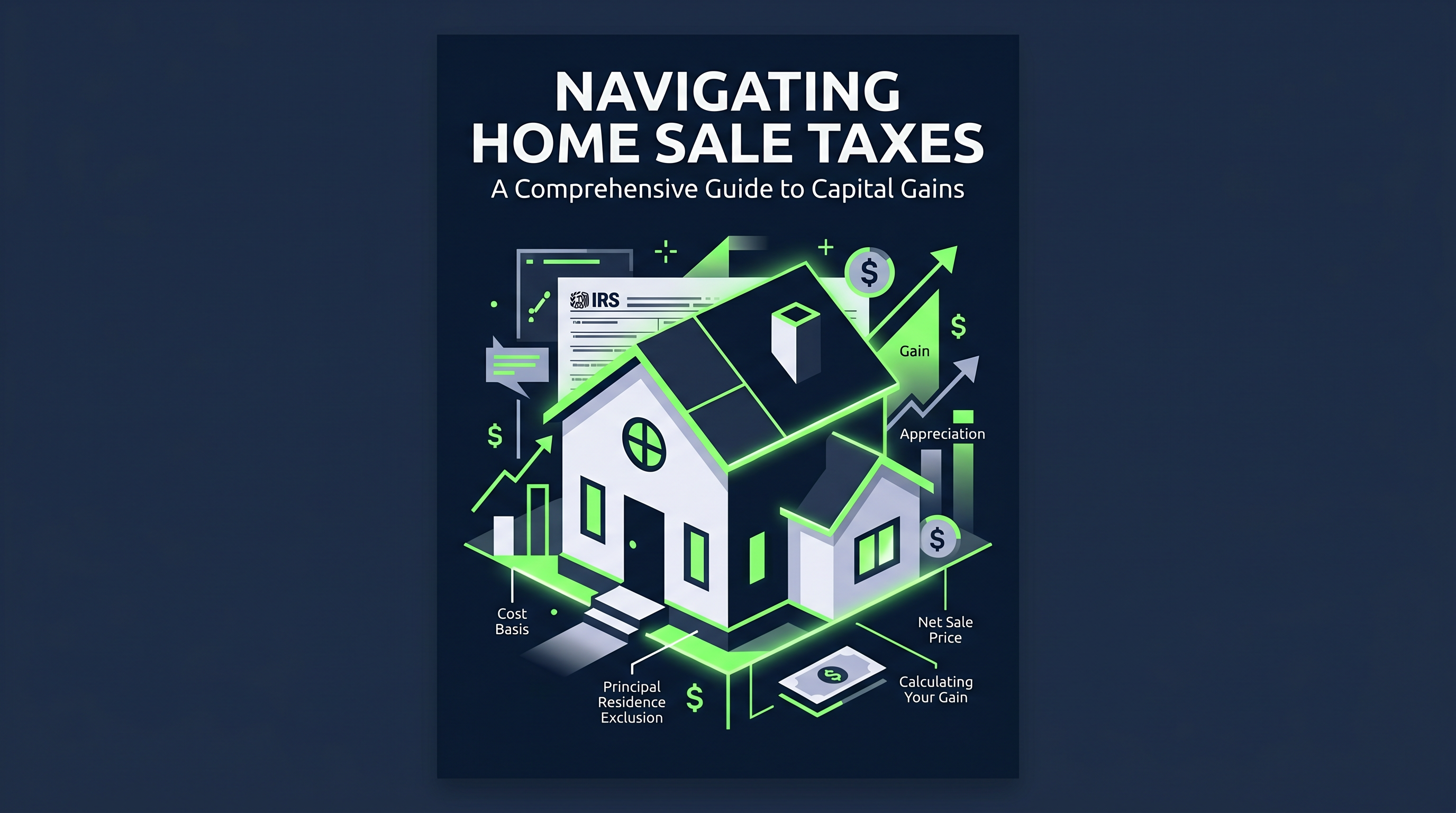
Calculating Your Gain
Subtract your adjusted basis from the sale price. Basis starts as purchase price plus improvements, minus depreciation if any. Selling costs like commissions reduce the gain too.
Example: Sale price $400,000. Basis $150,000. Selling costs $20,000. Gain: $230,000. Single filer pays nothing under $250,000 exclusion.
Cash Sale Taxes: Same Rules Apply
Worried about selling home for cash tax implications? Relax. Cash sales follow identical tax rules as traditional ones. The buyer pays you directly, often faster, with no financing delays. No difference in capital gains home sale treatment or primary residence exclusion.
Cash buyers like Fair Price Home Buyers handle everything. Sell as-is, zero commissions, fair price. Honesty is our north star. Your tax picture stays the same.
The 1099-S Form: What Sellers Need to Know
Closing agents issue Form 1099-S for sales over $250,000 (sometimes lower thresholds). It reports the sale date and gross proceeds to the IRS. You don't attach it to your return unless requested.
- Issued by title company or escrow agent.
- Mailed by January 31.
- Triggers IRS review, but exclusion protects qualified sales.
Report the sale on Schedule D and Form 8949. If exclusion applies fully, no tax owed.
When You Might Owe Tax on Selling Your House
Investment Properties and Short-Term Ownership
Flipping houses? Gains on investment properties or homes owned under two years are taxable. Rates: 0%, 15%, or 20% based on income, plus 3.8% net investment income tax for high earners.
Inherited Homes and Stepped-Up Basis
Inherited property gets a stepped-up basis to fair market value at death. Sell soon after? Minimal gain, often no tax. But confirm with records.
Partial exclusions apply for job changes, health issues, or unforeseen circumstances if under full two years.
Bottom Line: Sell with Confidence
For most, the answer to 'do I pay taxes selling my house?' is no, thanks to the primary residence exclusion. Cash sales? Same benefits, quicker close. Track your basis, meet the rules, report accurately.
Ready to sell? Get a no-obligation cash offer from Fair Price Home Buyers. Sell as-is, fair price, zero commissions. Honesty is our north star.
