Sell House with Code Violations for Cash: Yes, It's Possible – No Fixes Needed!
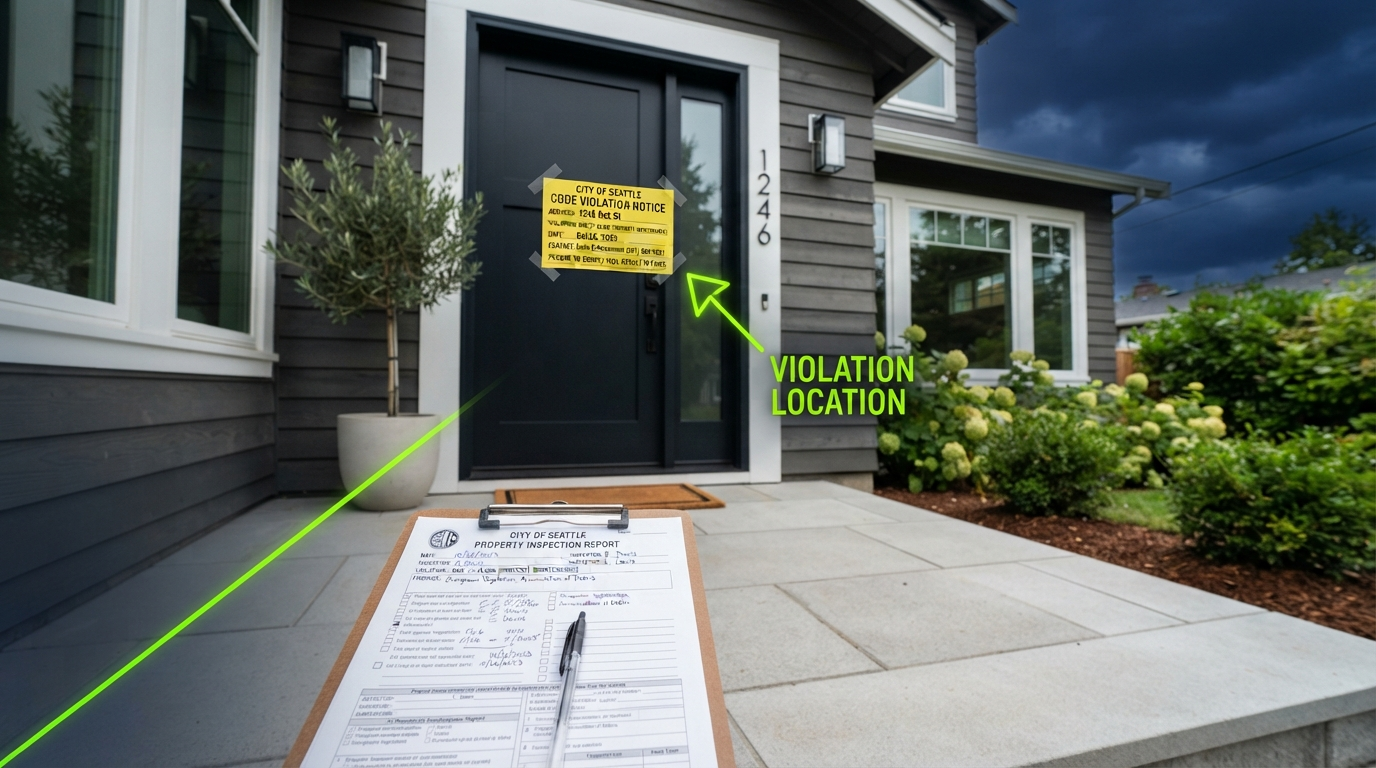
Picture this: a crisp violation notice from the city code enforcement office is taped to your front door, fluttering like a scarlet letter in the breeze. Your unpermitted deck addition from a decade ago? Now it's flagged. That garage conversion that seemed like a brilliant idea in the '90s? Red-tagged after a neighbor's complaint. And the inspection? It failed spectacularly. You're staring down municipal liens, fines stacking up, and the sinking feeling that your home is unsellable. But here's the straight answer you've been searching for: yes, you can sell house with code violations for cash. No repairs required, no endless haggling with picky buyers. Cash investors buy these homes as-is, handling the headaches so you can walk away clean.
In the high-stakes world of real estate, code violations often feel like a dead end. Traditional sales grind to a halt, but cash offers from problem-property specialists turn the page. This isn't wishful thinking—it's a proven path forward. We'll break it down step by step, from disclosures to closing, with the realistic details homeowners need. Whether it's selling house with unpermitted work, municipal liens, or a house that failed inspection, cash sales make it possible. Honesty is Our North Star, and we're here to guide you through it all.
Why Code Violations Scare Traditional Buyers (and Why Cash Buyers Don't Need Them Fixed)
Traditional home sales thrive on perfection—or at least the illusion of it. Picture the scene: a young family tours your property, eyes lighting up at the spacious layout, only to freeze when the buyer's agent points out the unpermitted addition. Suddenly, imaginations shift from backyard barbecues to nightmare scenarios of tear-down costs, permit chases, and city fines. Appraisers balk, lenders pull back, and the deal evaporates faster than morning dew.
Code violations aren't just paperwork—they're perceived landmines. A failed inspection can reveal electrical issues, structural non-compliance, or zoning infractions that scream "money pit." Municipal liens for unpaid fines attach to the property title, clouding ownership and deterring anyone with a mortgage. Unpermitted work, like that basement apartment or room addition, raises flags about safety, insurance, and resale value. Buyers envision endless city hall visits, contractor bids, and surprise assessments. It's no wonder listings with these issues languish on the market, gathering dust while carrying costs.
Enter cash buyers—savvy investors who specialize in fixer-uppers and problem properties. They see opportunity where others see obstacles. No banks means no rigid appraisal requirements. No financing contingencies. They purchase in As-Is Condition, absorbing violations, liens, and cleanup as part of their business model. For them, your code-troubled home is a canvas for value-add renovations. Learn more about how investors buy problem houses like yours.
How to Sell House With Code Violations for Cash – What Actually Happens
Selling house with code violations for cash flips the script on traditional real estate drama. The process is streamlined, transparent, and focused on speed—often closing in weeks, not months. No showings, no staging, no commissions or fees eating into your proceeds. You get a fair price based on the property's potential, not its current flaws. Here's the real breakdown, from disclosures to the final handshake.
Disclosures – What You Must Tell vs. What You Don't Have to Fix
Transparency is key, but it doesn't mean footing the repair bill. In most states, sellers must disclose known material defects, including code violations. This covers open citations, failed inspections, or unpermitted work that impacts safety or value. However, cash buyers expect these revelations—they're buying the risk.
You don't have to fix a thing. Disclosures inform, not obligate. For guidance, check the CFPB's seller disclosure overview. Our process at /about emphasizes Honesty is Our North Star: we review your disclosures upfront, factor them into our no-obligation offer, and proceed without surprises.
Title and Permit Searches, Municipal Lien Searches, Unpermitted Work
During escrow, title companies run searches that uncover liens, judgments, and permit histories. Unpermitted work shows up here—no building permits mean no official record. Municipal liens for fines or abatement costs attach to the title, but cash buyers handle resolution post-closing or negotiate at the table.
Pro tip: Contact your city's code enforcement office early. Request a "certificate of violations" or lien payoff statement. This quantifies the issues, arming you with facts for negotiations. Cash buyers often cover these as part of their As-Is purchase, but knowing the numbers prevents sticker shock.
Cleanup vs No Cleanup – Who Handles Junk, Debris, Safety Issues
One of the sweetest perks? True as-is means no scrubbing toilets or hauling junk. Cash investors take the property with all its clutter—piles of debris from the failed inspection, overgrown yards, even hazardous materials. They deploy crews for professional cleanup, addressing safety violations like exposed wiring or unstable structures on their dime.
You leave keys and walk. No broom-sweeping clauses here. This is especially liberating for homes with code issues stemming from neglect or DIY disasters.
Who Pays for Liens and Fines at Closing
Liens and fines are settled at closing via title escrow. In many cases, cash buyers pay them off to clear the title—part of their investment calculus. Realistic caveat: Some municipalities require an escrow holdback, where funds are set aside for future compliance. This is negotiated upfront; we disclose it clearly in our offers.
Your net proceeds reflect a fair price minus any agreed seller concessions, with No Commissions No Fees. It's straightforward math, not a shell game.
Practical Steps to Sell Your House with Code Violations for Cash
Ready to move? Follow these actionable steps to turn violations into victory:
- Gather Documentation: Collect violation notices, inspection reports, and lien statements. Call code enforcement for a status update—many provide free summaries.
- Get Multiple Cash Offers: Reach out to investors via our as-is cash offer page. Submit property details, including violations, for a no-pressure quote within 24 hours.
- Review and Negotiate: Compare offers. Ask about lien handling, timelines, and holdbacks. Transparency rules.
- Sign and Close: Flexible closing dates, even remote via e-sign. Funds wired fast.
- Relish Freedom: No repairs, no showings, straight to your next chapter.
Caveats keep it real: Local ordinances vary—coastal cities might scrutinize more than rural ones. Always consult a real estate attorney for state-specific rules. But for most, cash sales sidestep the drama.
Why Choose Cash for Your Problem Property?
Beyond speed and simplicity, cash sales deliver certainty. No market whims, no buyer flake-outs. In a world of rising interest rates and inspection phobias, house failed inspection cash sale options shine. Investors like those at our honesty-driven process prioritize Fair Price over perfection.
Your home's story doesn't end with a violation notice—it restarts with a cash offer.
Facing code chaos? Don't let violations chain you to an unwanted property. Get your free cash offer today—no fixes, no fuss. Category: Selling Your Home. Unlock the door to your future.
