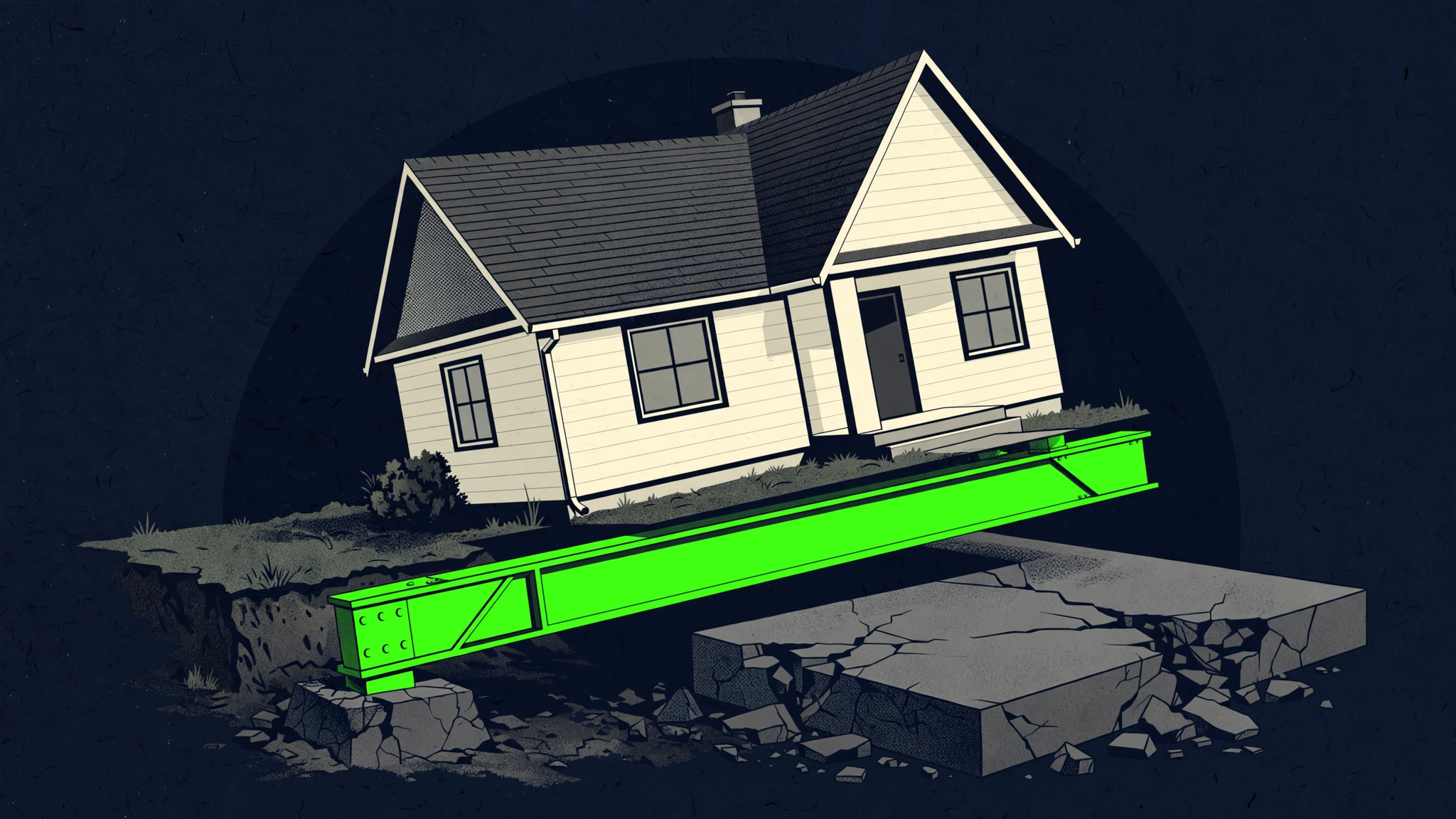
Sell House with Foundation Problems for Cash: Disclosures, Inspections, and As-Is Pricing
Picture this: cracks spiderwebbing across your basement walls, doors that stick no matter how you shim them, and a nagging worry that your home's very foundation is shifting underfoot. If foundation problems have turned your dream home into a source of stress, you're not alone. Many homeowners face this reality, wondering if they can escape without pouring money into fixes.
You can often sell house with foundation problems for cash in as-is condition. But success hinges on disclosing what you know, grasping how buyers assess structural risk, and addressing title and permit concerns. Cash buyers, like those at Fair Price Home Buyers, specialize in these situations, offering fair cash offers without demanding repairs. This guide breaks it down step by step, tailored for homeowners ready to move forward.
Can You Sell a House with Foundation Problems for Cash?
Yes, selling a house with foundation cracks or other structural issues as-is for cash is possible. Traditional buyers often flee at the sight of settling foundations or bowed walls, but cash buyers who target distressed properties see opportunity. They purchase homes in their current state, handling any repairs themselves after closing.
These foundation damage cash buyers understand that foundation issues range from minor settling to serious shifts caused by soil movement, poor drainage, or tree roots. They evaluate the property holistically: location, market value of similar homes, and the risk posed by the damage. No need for you to stage the house or chase financing approvals. Instead, expect a straightforward process with a no-obligation offer.
Building codes, disclosure requirements, and buyer appetites vary by city and state, so local factors play a role. In areas prone to earthquakes or expansive soils, like parts of California or Texas, cash buyers remain active but price accordingly.
Disclosures You Still Owe, Even in an As-Is Sale
Selling as-is does not erase your duty to disclose known defects in many states. Sell house with structural issues as-is? You bet, but honesty remains key. State laws govern this: some, like California, require detailed seller property questionnaires covering structural integrity. Others, such as Texas, take a more buyer-beware approach but still mandate revealing material facts you know.
If you've noticed cracks widening over time, heard creaking floors unrelated to normal wear, or had water pooling in the crawlspace, disclose it. Provide copies of any past engineer reports or repair bids. Cash buyers appreciate transparency; it speeds the process. At Fair Price Home Buyers, Honesty is our North Star. Check your state's real estate commission website for specific forms. Learn more about our approach on our about page.
Failure to disclose known issues can lead to post-sale lawsuits, even in as-is deals. Always consult a local real estate attorney if unsure.
Inspections vs. Structural Engineer Reports: What Each Is For
Selling a house with foundation cracks: General Inspections
A standard home inspection gives a broad overview: roof, plumbing, electrical, and visible foundation issues. As the HUD pamphlet For Your Protection: Get a Home Inspection (HUD-92564-CN) notes, inspections help buyers understand the home's condition. For foundation concerns, inspectors flag cracks, uneven floors, or water damage but stop short of engineering analysis.
When to Get a Structural Engineer Report
Cash buyers often order a structural engineer report for deeper insight. Engineers assess load-bearing capacity, soil conditions, and repair feasibility using tools like levels, probes, and sometimes invasive tests. This report quantifies risks, informing the offer. You might already have one from insurance claims; share it upfront.
Cash buyers may waive full inspections but rarely skip structural reviews for obvious issues. Follow our sell house as-is for cash step-by-step checklist guide for preparation tips.
Insurance Claims and Why Buyers May Still Inspect
Past foundation claims can flag your property. Insurers often deny coverage for earth movement or poor maintenance, leaving sellers with adjuster denials. Disclose claim history, including denial letters.
Even with an as-is agreement, cash buyers inspect to gauge liability. They check for code violations or hazards that could delay closing. HUD warns buyers to inspect thoroughly, as sellers might overlook issues. Your transparency builds trust and avoids surprises.
Repair Estimates and How Cash Buyers Price Foundation Risk
Cash buyers base offers on after-repair value minus costs. For foundation damage, they solicit contractor bids or engineer-backed estimates covering excavation, piers, waterproofing, or worse, demolition.
Gather your own quotes to negotiate. Buyers factor holding costs, profit margins, and risk premiums for unknowns like underground utilities or neighboring property impacts. No two foundation jobs match; clay soil shrinkage demands different fixes than concrete cancer.
The result? A fair cash offer reflecting reality, not retail price. You walk with cash, no repair headaches.
Title Issues, Permits, and Unpermitted Foundation Work
Clear title is non-negotiable. Liens from unpaid contractors or code enforcement on past foundation work must resolve. Unpermitted repairs? Common in older homes, but they raise red flags. Cities like Miami or Seattle enforce strict rules; check local building departments.
Title companies search records. Cash buyers often cover curative work or negotiate adjustments. Verify permits before listing to smooth the path.
What a Cash Buyer May Handle After Closing
Once closed, the buyer owns the risks. They might underpin with helical piers, inject polyurethane foam, or regrade for drainage. Extreme cases lead to teardowns, turning lots into new builds.
You? Free to close on your timeline, from 7 days to months, in as-is condition. No showings, no appraisal fights.
FAQ: Selling a House with Foundation Problems
- Do I have to fix foundation cracks before selling as-is? No, but disclose them. Cash buyers buy as-is.
- Will foundation issues tank my cash offer? They influence pricing based on risk, not eliminate it.
- How long does a structural inspection take? 2-4 hours on-site, plus report time.
- Can I sell without an engineer report? Often yes, but buyers may require one.
- What if my state requires full disclosures? Comply fully; as-is covers unknowns.
Ready for Your Fair Cash Offer?
Facing foundation woes does not mean you're stuck. Get a no-obligation offer from Fair Price Home Buyers today. Visit fairpricehomebuyers.com/sell to start. We buy as-is, with transparency and speed on your side.
