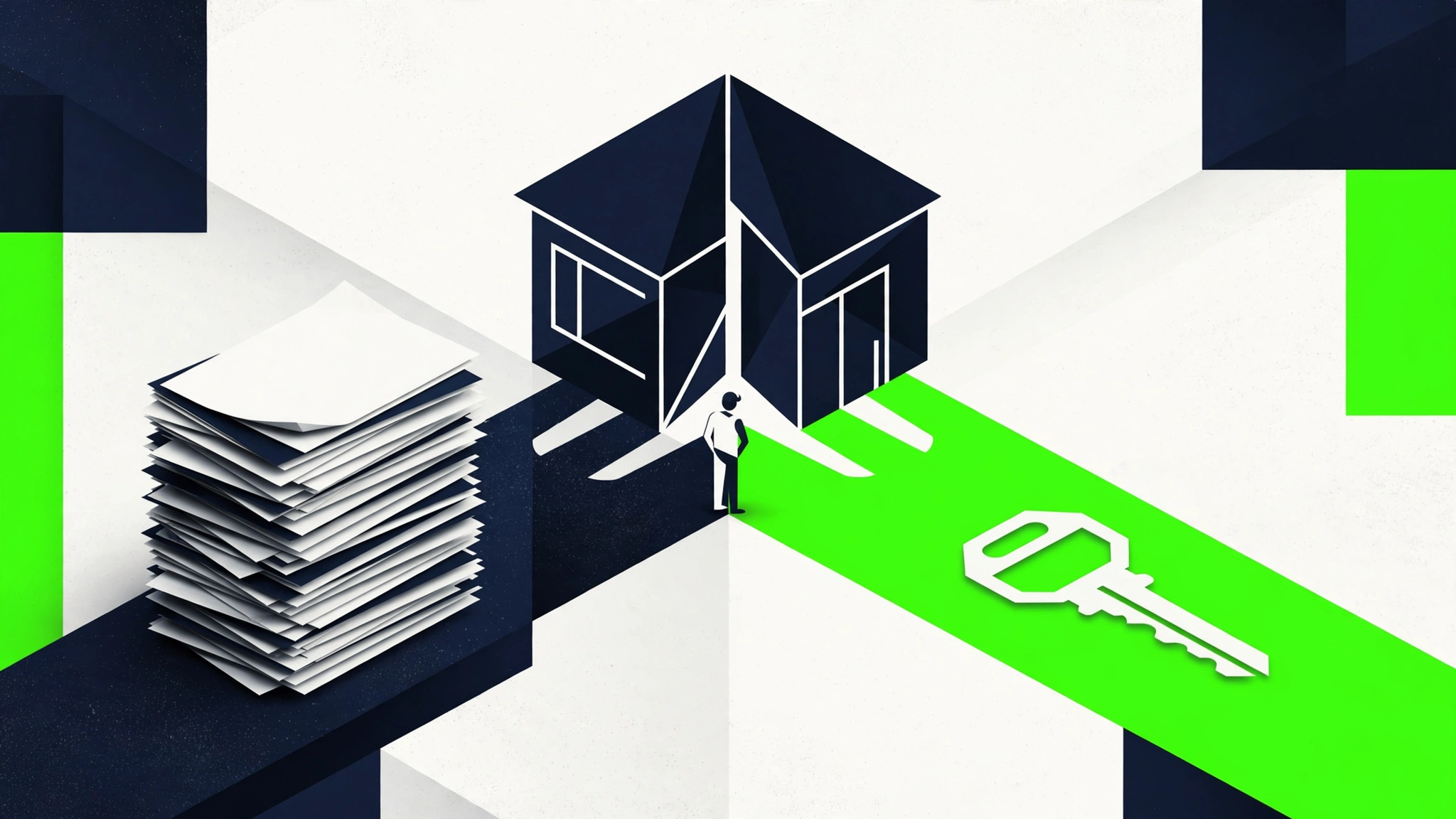
Short Sale vs Cash Sale During Foreclosure: What Homeowners Should Compare
Picture this: the foreclosure notice arrives, stamped with an auction date that feels too close. A short sale requires your lender's approval to sell your home for less than what you owe on the mortgage. A cash sale to a buyer closes faster when the offer covers the payoff amount, or when you arrange to settle liens another way.
Homeowners facing this pressure often weigh short sale vs cash sale during foreclosure. Each path carries trade-offs in speed, costs, credit impact, and what happens after the sale. Lenders hold the keys in a short sale, while a cash buyer like Fair Price Home Buyers focuses on your timeline and situation. This guide breaks it down so you spot the best fit for your numbers and needs.
Short Sale vs Cash Sale During Foreclosure: The Practical Difference
The core split comes down to approval and control. In a short sale, your lender must greenlight the deal because the sale price falls short of the loan balance. You list the home through an agent, market it, and wait for offers, all while negotiating with the bank.
A cash sale flips that script. You deal directly with the buyer, no lender nod required if the offer pays off the mortgage or you cover any gap. Cash buyers skip appraisals, inspections, and repairs. They buy in as-is condition, letting you close on your timeline. No staging photos or open houses. Just a fair cash offer reviewed at your pace.
Foreclosure adds urgency to short sale vs selling to cash buyer. Short sales aim to avoid the auction stain on your record, but they drag on. Cash sales often wrap up before that deadline, especially if equity exists to satisfy the lender.
How a Short Sale Works: Lender Approval, Listing, and Timelines
You start by contacting your lender or servicer to request a short sale. Submit a hardship letter, financial docs, and a purchase contract. The bank reviews everything, often hiring a third-party appraiser to confirm the price fits market value.
For FHA loans, this falls under the HUD Pre-Foreclosure Sale program, or PFS. It streamlines approval but still demands paperwork. The Consumer Financial Protection Bureau outlines the basics: expect months of back-and-forth.
You list the property, show it to buyers, and field offers. Lender approval takes 30 to 90 days or longer, depending on their workload and your case. Delays happen if the bank counters your price or if a better offer surfaces. Closing follows traditional steps: title search, escrow, fees. Total time? Often three to six months, though foreclosure pressure shortens it sometimes.
Contrast that with a cash buyer. Submit your address, get a no-obligation offer in days. If it works, sign and close when ready, even in weeks.
Deficiency Balances: What You Still Might Owe After a Short Sale
The Risk Lenders Can Pursue
Short sales leave a gap called the deficiency: sale proceeds minus what you owe. Lenders forgive it in many cases, but not always. Some states let banks chase you for that balance through a deficiency judgment unless they waive it in writing.
Foreclosure short sale deficiency rules vary by state and loan type. Non-judicial states like California limit pursuits after trustee sales. Judicial states might allow lawsuits. Tax treatment of forgiven debt counts as income unless you qualify for exclusions. Always check your promissory note and state laws.
Cash sales sidestep this. If the offer pays the lender in full, no deficiency arises. You walk away clean, no lingering debt chase.
Equity, Payoff, and Reinstatement: Run the Numbers Before You Choose
Pull your latest mortgage statement for the payoff quote: principal, interest, fees, and escrow. Compare it to your home's current value via a broker price opinion or online comps.
Equity means value exceeds payoff. A cash sale shines here. Accept a fair cash offer that covers the lender, pocket the rest, and close fast without agent commissions or closing costs eating your proceeds.
Underwater? Value sits below payoff. Short sale territory. But reinstatement offers another angle: pay the full past-due amount to halt foreclosure temporarily. Use it to sell or refinance if possible.
Run scenarios. A cash offer might beat short sale net after fees, especially with equity. Connect with a HUD-approved housing counselor for free guidance on your options.
Deadlines That Matter in Foreclosure
Foreclosure timelines vary by state. Some sales can arrive a few months after notice. Others take longer. Check your notice for key dates: first missed payment, notice of default, and any scheduled sale.
Short sales race these clocks. Lenders pause the process during review, but auctions wait for no one. Learn more in our guide on selling your house in foreclosure before the auction.
Cash sales align with your urgency. Close before the deadline if the payoff works. No waiting on bank reviews.
Who a Short Sale Fits vs Who a Cash Sale Fits
Short sales suit homeowners underwater with time to spare and patience for red tape. You care about credit recovery over speed, accept potential deficiency talks, and qualify for lender programs like FHA PFS.
Cash sales fit those needing speed. You hold equity, face tight deadlines, or want to skip repairs and fees. Everyday folks sell to us in as-is condition, close on their timeline, and avoid the short sale grind. See how we work with integrity.
Neither fixes every case. Factors like second liens or taxes complicate both. Tailor to your math.
Questions to Ask Before You Sign Anything
- Does this offer cover my full payoff, or will a deficiency follow?
- What fees do I pay: commissions, closing costs, or lender charges?
- Can we close before my auction date?
- Will repairs or staging cost me upfront?
- What happens if a higher offer comes in during escrow?
- Does the buyer or lender guarantee no pursuit of shortfall?
- How does this affect my taxes or credit?
Write down answers. Consult a counselor or attorney for state-specific rules.
FAQ
What is the main difference in short sale vs cash sale during foreclosure?
Short sale needs lender approval for a below-payoff price and takes months. Cash sale skips that if payoff clears, closing on your schedule.
Can I get a cash offer before foreclosure auction?
Yes, many cash buyers review your situation quickly. It stops foreclosure only if funds pay the lender in time.
Does a short sale always avoid deficiency judgment?
No. States and lenders decide. Get waivers in writing.
Who pays closing costs in these options?
Short sale: often split or lender-covered. Cash sale: buyer typically covers most, you net more.
How do I start a cash offer process?
Visit fairpricehomebuyers.com/sell for a no-obligation review.
Next Steps: Get Clarity on Your Options
Foreclosure choices boil down to your equity, timeline, and risk tolerance. Short sales demand lender patience. Cash sales deliver direct speed.
Ready to compare a fair cash offer against other paths? Request a no-obligation offer today at fairpricehomebuyers.com/sell. We buy houses fast nationwide, on your terms. No pressure, just facts for your decision.
